
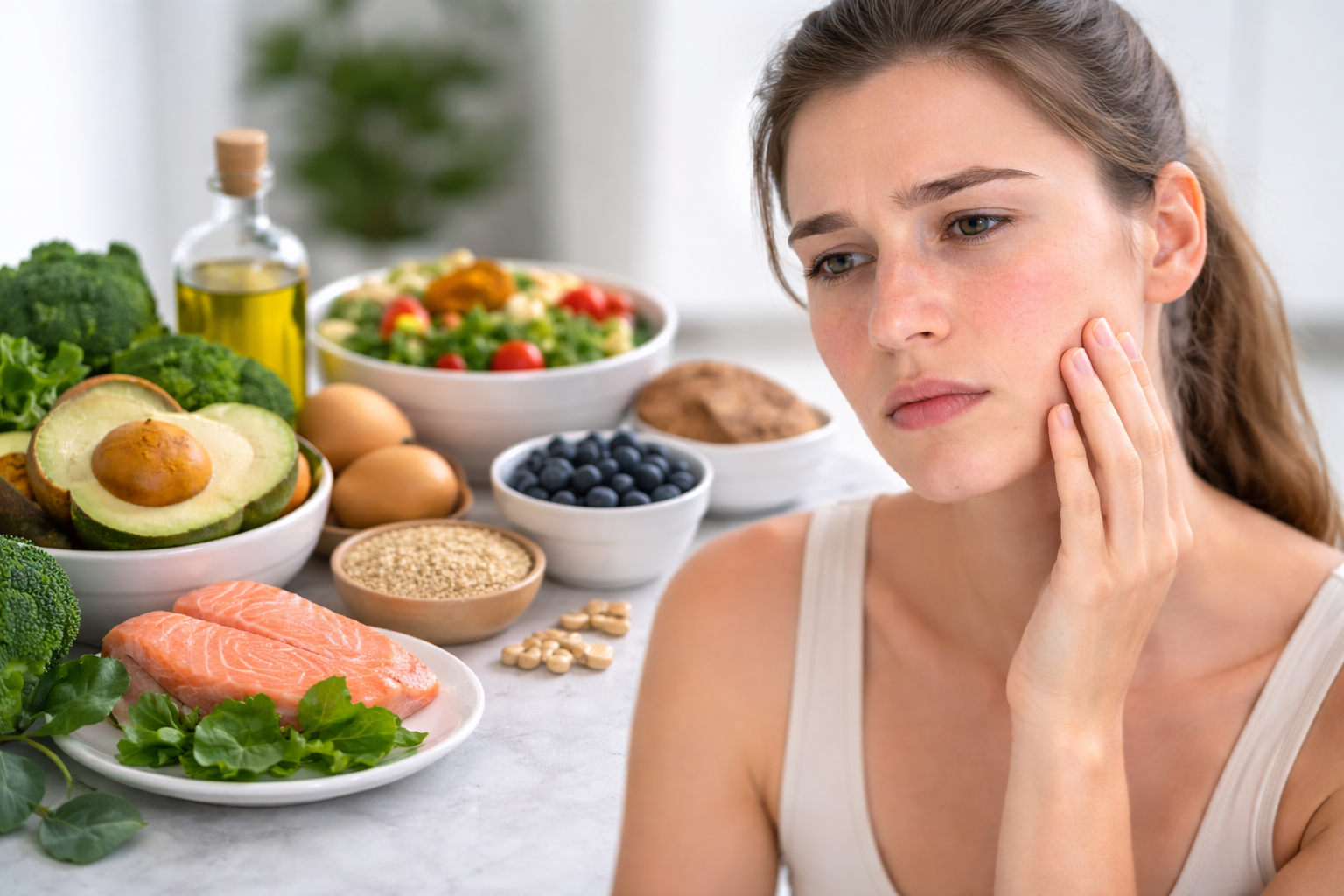
Seb Derm Diet: What to Eat and What to Avoid
How Diet Affects Seborrhoeic Dermatitis (And Why It Matters More Than You Think)
If you’re dealing with seborrhoeic dermatitis—often called seb derm or sebderm—you’ve probably wondered:
“Can diet actually make a difference?”
You’ve likely tried shampoos, creams, and treatments. And maybe they helped temporarily. But then the flakes came back, the redness returned, and you started searching for something deeper.
That’s where diet comes in.
Does Diet Affect Seb Derm?
Yes—diet can have a major impact on seb derm.
Seb derm isn’t just a skin condition. It’s closely linked to inflammation, gut health, and immune response—all of which are influenced by what you eat.
Why Diet Matters for Seb Derm
Your skin reflects what’s happening internally.
When your diet is inflammatory or difficult to process, it creates conditions that make seb derm worse.
Diet influences:
- Inflammation levels
- Skin oil (sebum) composition
- Gut health
- Hormonal balance
The Real Goal of a Seb Derm Diet
Most people ask:
“What foods should I add?”
The better question is:
“What is driving inflammation—and how do I remove it?”
Improvement often comes from removing the problem rather than adding more solutions.
Foods That Commonly Trigger Seb Derm
Sugar
Sugar increases inflammation, disrupts gut health, and affects oil production. Many people notice flare-ups after sweets, fizzy drinks, and desserts.
Refined Carbohydrates
White bread, pasta, and processed grains can spike blood sugar and increase inflammation.
Alcohol
Alcohol disrupts the gut, increases inflammation, and affects the liver. Even small amounts can trigger flare-ups.
Highly Processed Foods
These often contain additives and refined ingredients that can irritate the body and worsen inflammation.
Dairy (For Some People)
Dairy can trigger inflammation in certain individuals and worsen skin conditions.
Foods That May Help Reduce Seb Derm
Nutrient-Dense Whole Foods
Simple, unprocessed foods tend to support skin health and reduce inflammation.
Protein-Rich Foods
Protein supports skin repair, immune function, and overall stability.
Healthy Fats
Fats help support the skin barrier and hormonal balance.
Easily Digestible Foods
Simplifying your diet can improve digestion and reduce inflammation.
Why Simplifying Your Diet Works
Many people realise that the issue isn’t what they’re missing—it’s what they’re eating too much of.
Simplifying your diet helps identify triggers and stabilise your skin.
The Link Between Diet and Skin Oil
Diet influences the composition of your skin oil.
When your diet is inflammatory, sebum becomes more irritating and contributes to flare-ups.
Gut Health and Seb Derm
Your gut plays a major role in skin health.
When gut health is compromised, inflammation increases and skin becomes more reactive.
Signs diet may be affecting your seb derm include:
- Flare-ups after certain meals
- Bloating
- Digestive discomfort
- Food sensitivities
Why “Balanced Diets” Don’t Always Work
Generic healthy diets don’t work for everyone.
Some foods can still drive inflammation, even if they’re considered healthy.
The goal is personalisation—not general advice.
A More Effective Approach
- Remove common triggers
- Simplify your diet
- Pay attention to your body
The Role of Consistency
Diet changes take time, but with consistency:
- Inflammation reduces
- Skin stabilises
- Flare-ups become less frequent
What to Expect When You Change Your Diet
Short-term:
- Reduced redness
- Less itching
- Fewer flakes
Long-term:
- More stable skin
- Fewer flare-ups
- Less reliance on treatments
Common Mistakes
- Changing too many things at once
- Expecting instant results
- Following generic advice
How to Start a Seb Derm Diet
- Remove sugar, processed foods, and alcohol
- Simplify your meals
- Observe your skin’s response
- Stay consistent
Why This Approach Works
It targets the root causes of seb derm:
- Inflammation
- Gut health
- Immune response
Can Diet Heal Seb Derm?
Diet is not a quick fix, but it forms the foundation of long-term improvement.
When combined with reduced stress and gentle skincare, it can significantly improve your skin.
Final Thoughts
For many people, diet is the missing piece.
Once addressed, skin becomes more stable, flare-ups reduce, and confidence returns.
If You’re Struggling With Seb Derm
You’re not alone.
When you shift your focus from surface treatments to internal factors, especially diet, you give yourself the best chance of long-term improvement.

0 Comments