
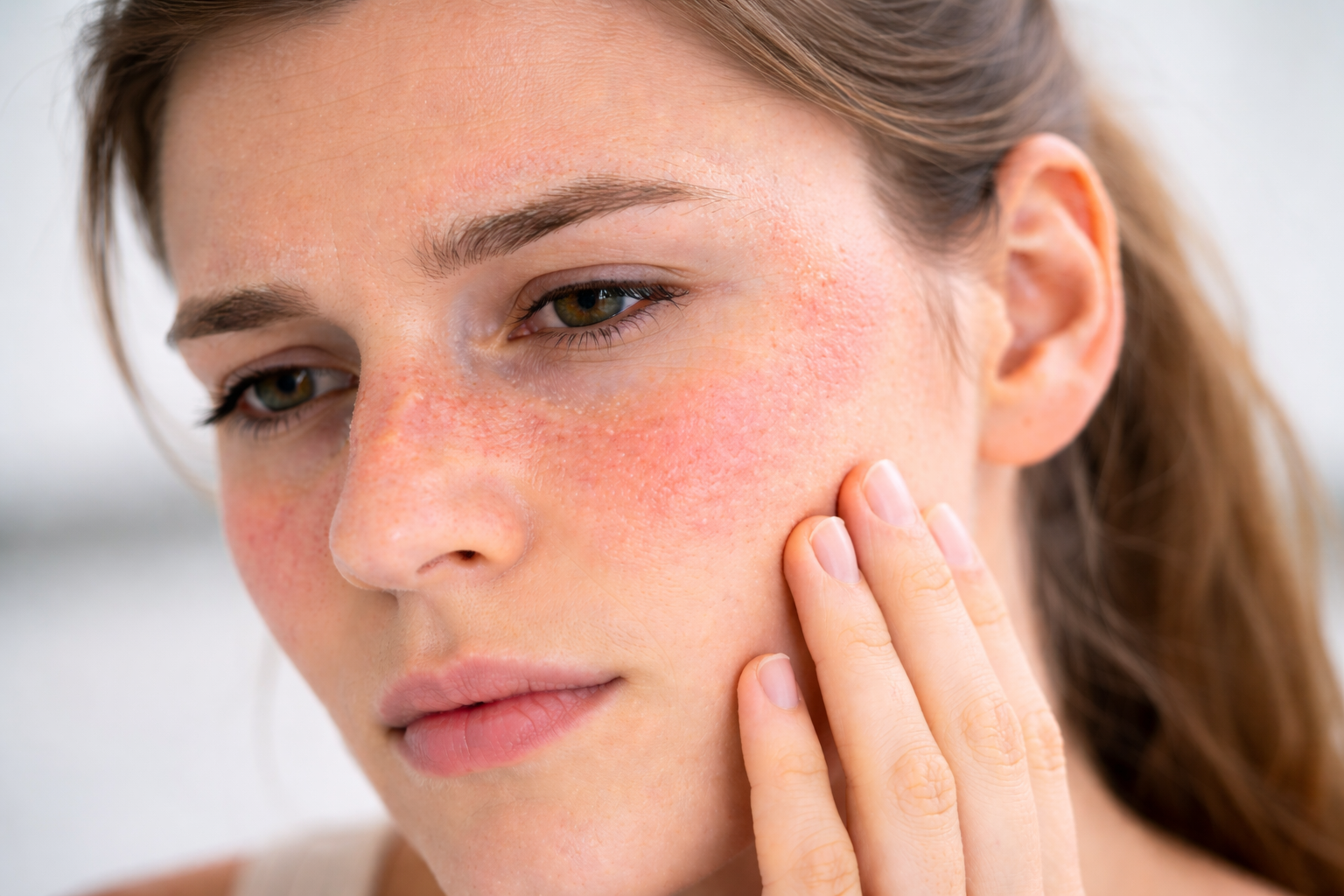
Can You Get Rid of Seb Derm Permanently?
The Truth About Seb Derm, Flare-Ups, and Long-Term Skin Healing
If you’ve been struggling with seborrhoeic dermatitis—often called seb derm or sebderm—you’ve probably asked yourself the same question over and over again:
“Can I actually get rid of this permanently?”
You try a shampoo. It works… for a while. Then the flakes come back. The redness returns. And you’re right back where you started.
It’s exhausting.
So let’s be honest from the start—and then go deeper than most advice ever does.
Is Seb Derm Permanent?
Most conventional advice will tell you:
“Seborrhoeic dermatitis is a chronic condition with no cure.”
And technically, that’s true—if you only treat the symptoms.
But here’s what they don’t explain properly:
- There is a huge difference between “incurable” and “unmanageable”.
- There is a difference between managing symptoms and addressing the root cause.
Many people stay stuck in a cycle of temporary relief followed by recurring flare-ups—not because the condition can’t improve long-term, but because they’ve never been shown how to approach it properly.
What Seb Derm Really Is (Beyond the Basics)
Seborrhoeic dermatitis is typically described as:
- A skin condition affecting oil-rich areas
- Linked to yeast (Malassezia)
- Causing redness, flaking, and irritation
All of that is correct—but incomplete.
The deeper reality:
Seb derm is not just a skin issue.
It is a sign of internal imbalance, especially involving inflammation, skin barrier dysfunction, oil composition, and immune response.
Why Most Treatments Fail
If you’ve used anti-dandruff shampoos, antifungal creams, or steroid treatments, you’ve probably noticed the same pattern.
They work temporarily.
Then symptoms return.
This is because they focus on killing yeast and reducing visible symptoms, but ignore why your skin is reacting in the first place.
The Real Reason Seb Derm Keeps Coming Back
Chronic Inflammation
Inflammation is at the centre of seb derm. When your body is in a constant inflammatory state, skin becomes reactive, oil production changes, and flare-ups become more likely.
Altered Skin Oil (Sebum)
Seb derm isn’t just about how much oil your skin produces—but what that oil is made of. When internal health is off, sebum can become more irritating and disruptive.
Malassezia Yeast
This yeast is present on everyone’s skin. The issue isn’t its presence—it’s how your body reacts to it.
Gut-Skin Connection
There is a strong link between gut health, immune response, and skin conditions like seb derm. When gut health is compromised, inflammation increases and skin becomes more reactive.
So… Can You Get Rid of Seb Derm?
You cannot simply eliminate seb derm overnight.
However, you can reach a point where flare-ups become rare or disappear, your skin remains calm, and you no longer rely on constant treatments.
Long-term remission is absolutely achievable.
The Shift That Changes Everything
Most people ask:
“What product should I use?”
The better question is:
“What is driving inflammation in my body and skin?”
Reducing Inflammation: The Foundation
Inflammation is one of the main drivers of seb derm. Reducing it is key to long-term improvement.
Common contributors include:
- Processed foods
- Refined sugars
- Alcohol
- Chronic stress
The Role of Diet in Seb Derm
Diet is one of the most overlooked factors in seb derm.
It directly affects inflammation, gut health, and skin oil composition.
Common triggers for many people include:
- Sugar
- Processed carbohydrates
- Alcohol
- Dairy (for some individuals)
When diet improves, people often notice reduced redness, less flaking, and more stable skin.
A Simpler Way of Eating
Many people find that simplifying their diet leads to the biggest improvements.
Focusing on whole, nutrient-dense foods and removing potential irritants can significantly reduce inflammation.
Why “Healthy Diets” Don’t Always Work
Not all “healthy foods” work for everyone.
Some people continue to experience seb derm because they are still consuming foods that trigger inflammation for them personally.
The goal is not a generic healthy diet—but identifying and removing your specific triggers.
Skin Barrier Repair
The skin barrier plays a major role in seb derm.
To support it:
- Avoid harsh cleansers
- Use gentle skincare
- Don’t over-wash
- Limit strong active ingredients
The Problem With Over-Treating
Using too many products or switching treatments frequently can keep your skin in a reactive state.
Sometimes, simplifying your routine is more effective than adding more products.
Stress and Seb Derm
Stress is a major trigger for seb derm.
It affects hormones, immune response, and inflammation levels.
Many people experience flare-ups during periods of high stress or poor sleep.
What Long-Term Control Looks Like
When you address the underlying causes, seb derm becomes manageable.
You can achieve:
- Stable skin
- Minimal flare-ups
- Confidence in managing your condition
The Biggest Mistake People Make
Chasing quick fixes.
Seb derm is not a quick-fix condition—it requires a deeper, more consistent approach.
A Smarter Approach
Focus on:
- Reducing inflammation
- Improving diet
- Supporting gut health
- Minimising irritation
- Staying consistent
Final Thoughts
Seb derm may not have a simple cure, but long-term relief is absolutely possible.
By addressing the root causes rather than just the symptoms, you can achieve stable, healthy skin.
If You’re Struggling
You’re not alone.
Once you shift your focus from treating symptoms to addressing underlying causes, you give yourself the best chance of long-term improvement.

0 Comments